
Wildlife-friendly gardening guide
Jump to what matters
Choose flowers for pollinators
Think about flowering time as well as flower colour.
What are the best plants for bees and other pollinators?
Choose plants with accessible flowers that provide nectar or pollen, and aim to have something flowering through as much of the gardening year as possible.
A border that flowers only for a few weeks in summer has a shorter useful season than one that develops from spring through late summer and into autumn. Combining plants with different flowering periods also makes the garden more interesting for you.
Grown at Roses
Plants to explore for summer colour
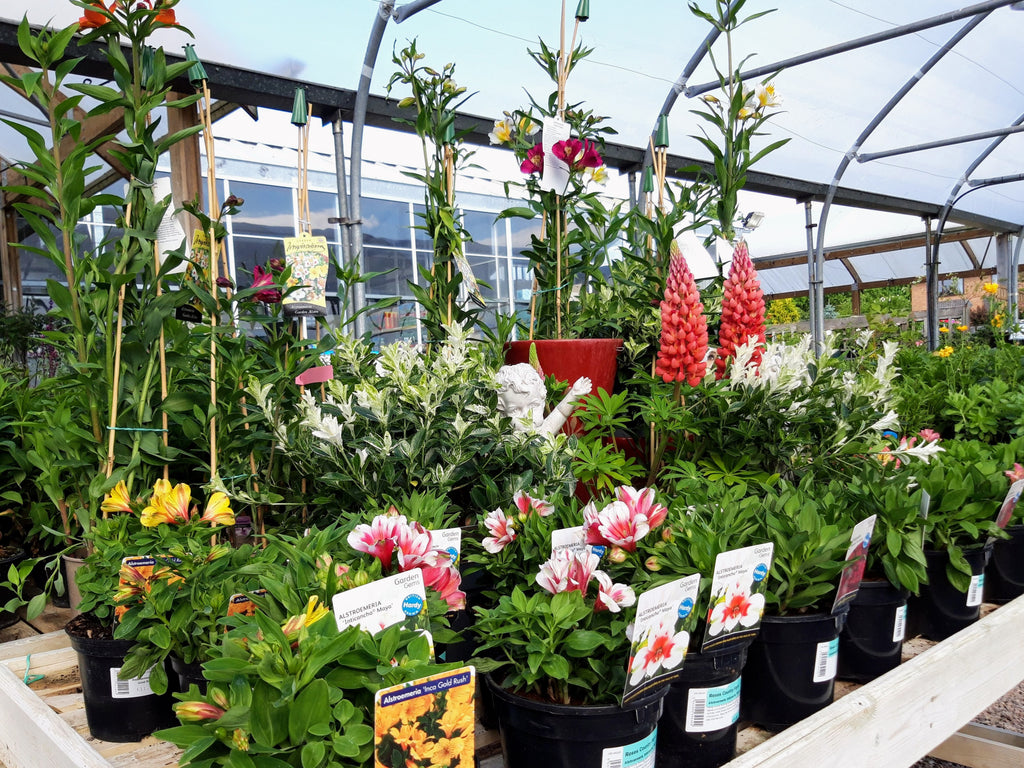
Roses grows selected perennials on its own nursery in Newent, including Echinacea, Coreopsis and Penstemon. These give you a useful starting point for a colourful border with flowers for visiting pollinators. Choose varieties with accessible flowers, and combine different flowering periods rather than relying on one short display.
James also highlights lavender and salvias as sunny-position choices that are popular with pollinators. Ask the team which varieties are available and will suit your soil, space and growing conditions.

Plant for more than one season
A useful wildlife garden changes through the year.
How do you provide food for wildlife throughout the year?
Combine plants that flower, fruit and set seed at different times, and include evergreen or dense planting that continues to provide cover when summer has finished.
Thinking about the whole year can make a wildlife-friendly garden more attractive too. Foliage, berries, seed heads and plant shape all add interest beyond the main summer flowering period.
Add shrubs with berries
Berries can bring colour to the garden as well as potential food for birds.
Which garden plants provide berries for birds?
Berry-producing shrubs are worth considering where you have room. Choose a plant that suits the position first, then consider its flowers, berries, density and seasonal interest.

Also known as firethorn, this shrub combines flowers for visiting insects with autumn berries for birds. Its dense, thorny growth can also provide cover. Allow enough room for the variety you choose.

Give wildlife somewhere to shelter
Dense and layered planting can be as important as flowers.
How can a garden provide more shelter for wildlife?
Use a mixture of shrubs, hedging, climbers, grasses and less-disturbed planting to create different heights and protected spaces.
You do not need to turn a formal garden into a wilderness. Adding layers of planting around boundaries, beneath taller plants or in selected corners can create more cover while retaining the style of the garden.
Are hedges better for wildlife than fences?
Where the space and conditions are suitable, a living hedge can provide foliage, branches and potentially flowers or berries. If you already have a fence, planting a climber or adding shrubs in front can introduce another layer without replacing it.
Add a safe source of water
A pond is useful, but it is not the only option.
Do you need a pond for a wildlife-friendly garden?
No. A pond can add valuable habitat, but even a smaller garden can provide a shallow, safely positioned source of water.
If you do add a pond or container of water, think about safe access and escape. Avoid creating steep-sided water features that could trap small animals; a shallow edge, stones or another easy route out is important.
Leave a few places less tidy
Wildlife-friendly does not have to mean neglected.
Does a wildlife garden have to look messy?
No. You can keep paths, seating areas and prominent borders tidy while deliberately leaving seed heads, fallen leaves or denser growth in selected areas.
Leaving some stems and seed heads standing for longer, retaining leaves in a quiet corner and avoiding disturbance everywhere at once can create extra shelter without changing the whole character of your garden.

James’s gardening tip
Choose where to be tidy.Maintain the parts of the garden you use most and allow a few quieter corners to become more relaxed.
Choose wildlife-friendly plants that suit your garden
A useful plant is one that can thrive in the space you have.
Where should I start when buying plants?
Start with sunlight, soil, moisture and the plant’s eventual size. Then think about what it adds for wildlife: accessible flowers, berries, seed heads or shelter.
A tip from the Roses team
Tell us what you want the plant to do.Whether you want summer flowers for pollinators, a berrying shrub or evergreen cover, bring a photograph of the planting space and ask the team. We can help narrow down the plants available to suit your garden.
Make a small garden wildlife-friendly
Patios, pots and vertical spaces can all contribute.
Can a patio or small garden help wildlife?
Yes. Use containers for flowering plants, a wall or fence for a suitable climber, and a well-chosen shrub where space allows. A small water source can add another useful element.
Containers are especially useful where there is little traditional garden soil. Choose plants that suit the same light and watering conditions and think about flowering duration as well as appearance.
For a sunny patio, consider a suitable lavender or Salvia in a well-drained container, or Echinacea where the pot is large enough for the variety. Ask Roses about compact choices and remember that plants in pots depend on you for water and nutrients.
Remember autumn and winter
A garden can remain useful after the summer flowers fade.
What should you do for garden wildlife in winter?
Keep some evergreen cover, berries, seed heads, stems and sheltered areas rather than clearing every border completely as soon as autumn arrives.
Pyracantha can offer berries and dense cover, while evergreen shrubs and standing grasses help retain structure and sheltered spaces after summer flowers fade.
The pictured Skimmia ‘Rubella’ adds evergreen foliage and coloured buds through winter, followed by spring flowers. It is a male cultivar, so it does not produce berries.

A wildlife-friendly garden can still be a beautiful garden
Gardening for wildlife and gardening for people can work together.
A well-planned border can be colourful, structured and attractive while providing flowers for pollinators, berries and seeds for birds and cover for other garden wildlife.
The key is variety: different plants, different heights, different flowering periods and a few places where wildlife can find food, water and shelter.
Local advice from Roses
Creating a wildlife-friendly garden in Gloucestershire?Bring us a photograph of the space if that helps. Tell us whether it is sunny or shady, approximately how large it is and what you want to achieve. At our Newent garden centre, we can help you choose plants that suit the position while adding more flowers, berries, shelter and seasonal interest.


